Tirta Empul Temple, Bali: A Sacred Water Temple You Must Visit
Nestled amidst the lush greenery of Tampaksiring in central Bali, Tirta Empul Temple is one of the island’s most sacred and fascinating Hindu temples. Famous for its holy spring water, this ancient temple offers visitors a glimpse into Bali’s rich spiritual traditions, beautiful architecture, and deep-rooted cultural heritage.
Built in 962 AD, Tirta Empul is renowned for its sacred purification pools, where Balinese Hindus perform traditional cleansing rituals using water that flows from natural springs. The temple’s name, Tirta Empul, means “holy water spring,” reflecting the spiritual significance of its life-giving waters. Surrounded by tranquil gardens, ornate stone carvings, and traditional Balinese structures, the temple provides a peaceful escape from the hustle and bustle of everyday life.
Whether you are a culture enthusiast, a spiritual traveller, or simply exploring Bali’s most remarkable landmarks, Tirta Empul Temple deserves a place on your itinerary. In this guide, we’ll explore its history and significance, what to see and do, how to experience the sacred purification ritual respectfully, and practical tips to help you plan your visit.
Exploring the Traditional Balinese Architecture of Tirta Empul Temple
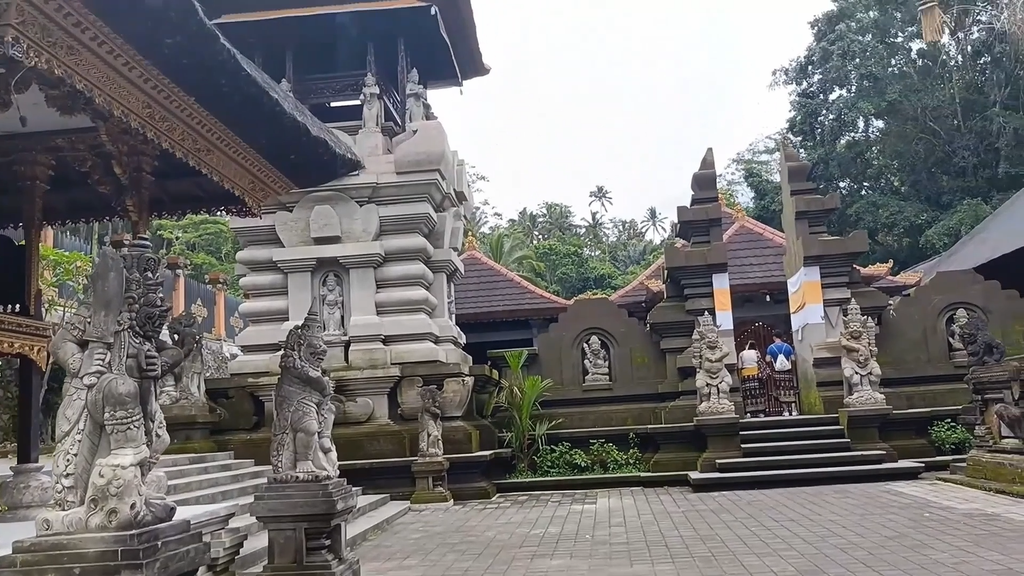
Tirta Empul Temple is a beautiful example of traditional Balinese Hindu architecture, combining intricate stone carvings, sacred courtyards, ornate gateways, and natural spring water in a setting that reflects the spiritual traditions of Bali. The temple complex is designed around the principles of Balinese Hinduism, with different courtyards serving distinct religious and ceremonial purposes.
As you enter the temple, you will notice the impressive stone gateways, decorative sculptures, and traditional architectural details that give the complex its distinctive character. The temple’s layout follows the traditional Balinese concept of dividing sacred spaces into different courtyards, guiding visitors from the outer areas towards the more spiritually significant sections.
One of the most striking features of Tirta Empul is its sacred bathing area, where clear spring water flows through a series of stone fountains into rectangular purification pools. Each fountain has its own decorative design, and worshippers move from one to another as part of a traditional purification ritual. The sound of flowing water, combined with the surrounding stone structures and lush greenery, creates a peaceful and contemplative atmosphere.
The temple also features traditional shrines and meru towers, which are recognisable by their distinctive tiered roofs. These structures are important elements of Balinese temple architecture and are used in religious worship. Elaborate carvings, ornamental details, and stone statues depicting figures from Hindu mythology add to the temple’s artistic and cultural significance.
Beyond its architectural beauty, Tirta Empul is a living place of worship rather than simply a historical monument. Its design reflects the close relationship between spirituality, nature, and daily life in Balinese culture. The combination of sacred springs, traditional craftsmanship, and carefully arranged courtyards makes a visit to Tirta Empul an opportunity to appreciate not only Bali’s architectural heritage but also the religious beliefs that continue to shape the island’s identity.
The Holy Spring of Tirta Empul and the Sacred Melukat Purification Ritual
The heart of Tirta Empul Temple lies in its sacred freshwater springs, which are deeply revered by Balinese Hindus for their spiritual significance. According to local Hindu tradition, the holy water is associated with purification, blessings, and the renewal of spiritual well-being. The temple’s name, Tirta Empul, is commonly translated as “holy water spring,” reflecting the importance of water in Balinese religious life.
One of the most fascinating experiences at the temple is witnessing Melukat, a traditional Balinese Hindu purification ritual. The word refers to a spiritual cleansing ceremony believed to help purify the mind and spirit, release negative influences, and restore inner balance. The ritual is an important part of Balinese Hindu practice and is performed on various occasions, including personal milestones, religious observances, and times when spiritual cleansing is sought.
The purification ceremony takes place in the temple’s bathing pools, where water flows continuously from a series of ornately carved stone fountains. Participants traditionally offer prayers before entering the water and then move from fountain to fountain, allowing the sacred water to flow over their heads or faces. Each stage is accompanied by devotion and reflection, making the experience much more than an ordinary bathing ritual.
Although visitors from around the world come to Tirta Empul to experience Melukat, it is important to remember that this is a sacred religious practice, not simply a tourist attraction. Visitors who wish to participate should follow temple guidelines, wear the appropriate traditional attire, and observe any restrictions on the use of particular fountains. Some fountains are reserved for specific religious purposes, including rites associated with the deceased, and should not be used by visitors unless explicitly permitted.
Even if you choose not to participate in the ritual, watching the ceremony respectfully can offer a meaningful insight into Bali’s spiritual traditions. The sight of worshippers praying beside the ancient stone fountains, surrounded by the gentle sound of flowing spring water, creates an atmosphere of tranquillity and devotion.
A visit to Tirta Empul provides an opportunity to appreciate the deep connection between water, faith, and spiritual purification in Balinese culture. Whether you take part in Melukat or simply observe from a respectful distance, the experience can be one of the most memorable and culturally enriching moments of your Bali journey.
Tampaksiring Presidential Palace: A Landmark Overlooking Tirta Empul Temple
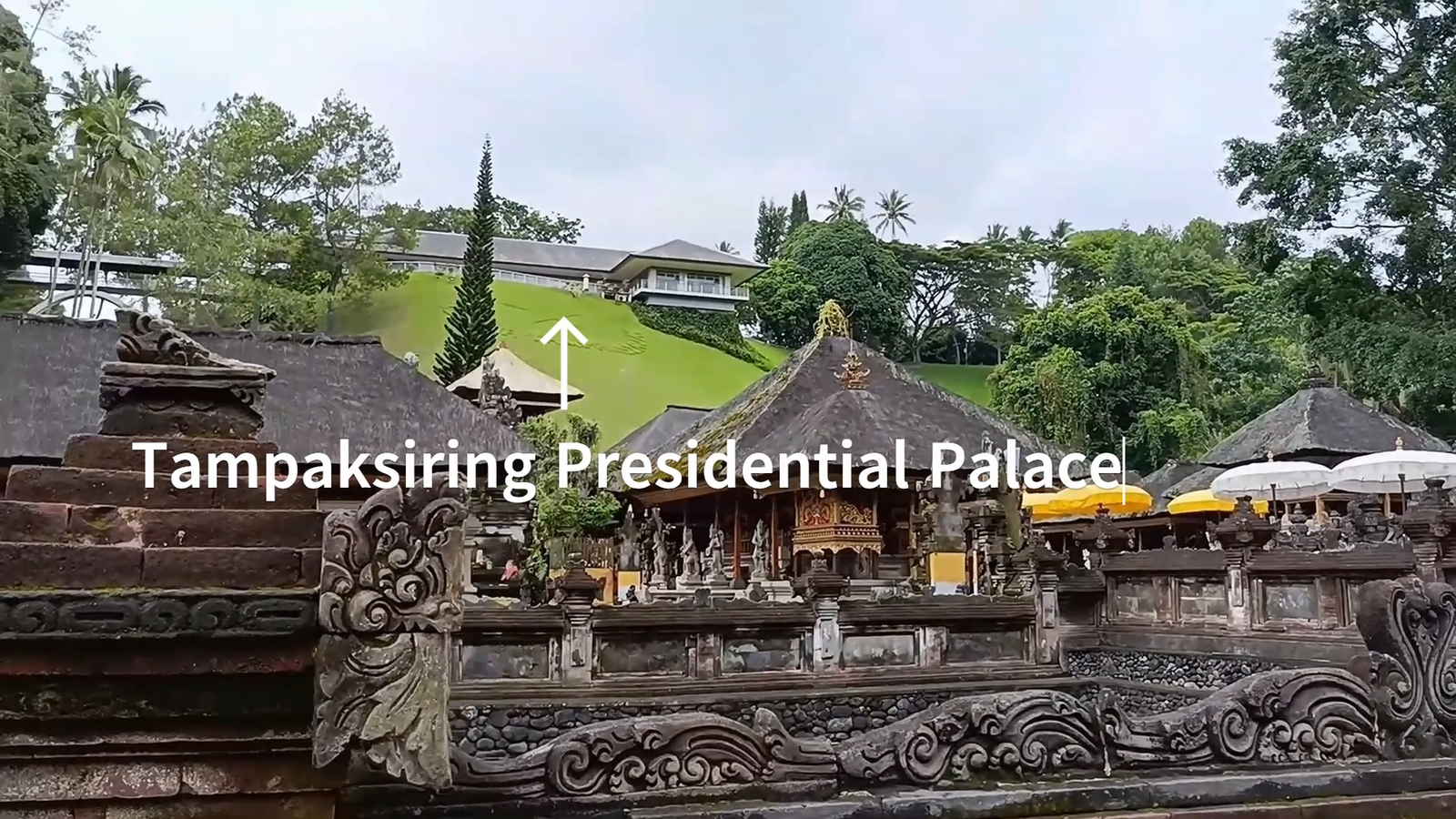
Located on a picturesque hillside just above Tirta Empul Temple, the Tampaksiring Presidential Palace (Istana Kepresidenan Tampaksiring) is an important landmark in Bali, combining modern Indonesian history with the island’s beautiful natural surroundings.
Unlike Indonesia’s older presidential palaces, which date back to the colonial era, Tampaksiring Presidential Palace was built after Indonesia gained independence. Its construction began in 1957 under the initiative of Indonesia’s first president, Sukarno, and continued until 1960. The palace was designed by Indonesian architect R. M. Soedarsono as a peaceful retreat for the president and his family, as well as a residence for visiting heads of state.
Set amid green hills and overlooking the surrounding countryside, the palace complex features several principal buildings, including Wisma Merdeka and Wisma Negara. One of its distinctive architectural features is the Friendship Bridge, which connects these two buildings across a deep ravine. The complex also incorporates traditional Balinese architectural elements, natural materials, and landscaped grounds that blend harmoniously with the surrounding environment.
The palace has hosted numerous foreign dignitaries and has served as a venue for important state functions and international meetings. Its elevated location offers beautiful views of the surrounding landscape, while its proximity to Tirta Empul Temple creates a fascinating connection between Indonesia’s modern political history and Bali’s ancient spiritual traditions.
Although the palace is a working presidential residence rather than a conventional tourist attraction, visits may be possible at certain times with prior permission and subject to official arrangements. Travellers should check the latest visitor-access requirements before planning a visit.
If you are exploring Tirta Empul Temple, the nearby presidential palace adds another dimension to your journey through Tampaksiring, offering a glimpse into Indonesia’s national history and the remarkable setting that made this part of Bali an important place for both spiritual and state affairs.
Location
Tampaksiring, Gianyar Regency, Bali 80552, Indonesia